The Thrill of Uncertainty
The allure of casinos is often rooted in the unpredictable nature of gambling. People are inherently drawn to activities that involve chance, as the element of uncertainty incites excitement and curiosity. This psychological phenomenon is deeply embedded in human behavior; many are willing to risk their money for the potential thrill of best new australian online casinos, leading to an adrenaline rush that can be addictive.

Moreover, the excitement of gambling generates a unique emotional response. The prospect of winning, paired with the possibility of loss, creates a rollercoaster of emotions that can lead to a heightened sense of awareness. This thrill is a fundamental aspect of why individuals find themselves at casinos, as the experience can be both exhilarating and intoxicating.
The Social Aspect of Gambling
Casinos are not just places for solitary activities; they serve as social hubs where individuals come together to share experiences. Gambling is often a communal activity, whether it’s participating in poker games or enjoying slot machines alongside friends and strangers. This social interaction can enhance the excitement of gaming, making it more enjoyable.
Humans are social beings, and the environment in casinos fosters connections and camaraderie among gamblers. Whether celebrating wins or commiserating over losses, the shared journey through the highs and lows of gambling can create lasting bonds. The social aspect often enhances the overall experience, making individuals more likely to return to these venues.
Escapism and Stress Relief
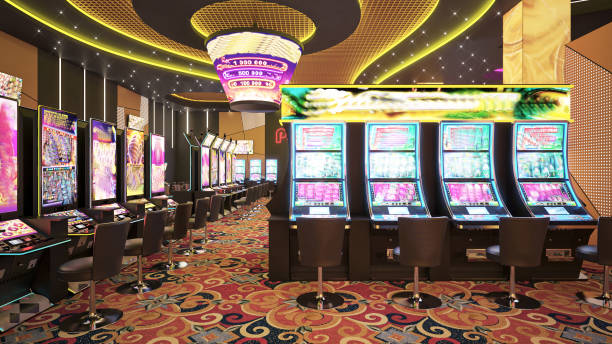
Many individuals turn to casinos as an escape from the stresses of daily life. The environment of a casino—a sensory overload of lights, sounds, and activities—provides a temporary distraction from reality. For some, gambling serves as a way to divert attention from personal issues, financial troubles, or emotional challenges.
This form of escapism can be beneficial in moderation, allowing individuals a brief respite from their worries. However, it can also lead to problematic gambling behaviors when the line between recreation and addiction blurs. Understanding this psychological need for escape can shed light on why people find themselves drawn to casinos, often despite the risks involved.
The Role of Reward Systems in Gambling
The design of casino games is meticulously crafted to tap into human psychology and reward systems. The concept of variable rewards—where wins are unpredictable and sporadic—can significantly enhance the desire to gamble. This principle aligns with the brain’s dopamine response, where the anticipation of a reward stimulates pleasure centers, encouraging continued play.
Additionally, casinos often employ various tactics to keep players engaged, such as loyalty programs and near-misses in gaming. These strategies play on psychological triggers, reinforcing the belief that a win is just around the corner. This continuous cycle of anticipation and reinforcement is a powerful factor in why individuals are drawn back to gamble repeatedly.
Promoting Awareness and Support
Understanding the psychology behind gambling is crucial, especially in recognizing the potential for addiction and its impacts on individuals and families. Resources and support networks are essential for those seeking help or trying to understand their gambling behavior. Awareness campaigns can educate individuals on the risks associated with gambling, promoting responsible play and healthier choices.
Websites dedicated to advocacy can be instrumental in providing educational materials, community support, and avenues for individuals to get involved. By fostering a better understanding of the psychological factors that contribute to gambling behaviors, society can work towards creating a safer environment for those who enjoy gaming while also addressing the risks associated with addiction.