The Influence of Emotion in Game Selection
Emotions play a crucial role in the decisions players make when selecting casino games. People often gravitate towards games that evoke excitement, nostalgia, or even a sense of relaxation. The thrill of the spin on a slot machine or the strategic thinking involved in poker can lead players to favor these games over others. Furthermore, the atmosphere of the casino, filled with lights, sounds, and excitement, can heighten emotional responses, influencing choices. In fact, many players might find themselves exploring casino sites not on gamstop as they seek varied experiences.

Research indicates that feelings such as hope and euphoria can propel players towards riskier game selections. When players experience winning emotions, they are likely to choose games that offer the potential for high rewards, even if they carry greater risks. This emotional engagement is a driving force behind many casino experiences, accentuating the intricate relationship between feelings and game preference.
The Role of Cognitive Bias in Player Behavior
Cognitive biases significantly affect how players perceive chances and make decisions in casinos. Common biases like the illusion of control lead players to believe they can influence outcomes in games of chance, such as slot machines or roulette. This belief can skew their judgment and prompt them to engage more frequently in these games, despite the odds being fundamentally against them.
Additionally, the gambler’s fallacy can impact player behavior, where individuals may assume that past outcomes will influence future results. For instance, believing that a particular slot machine is “due” for a payout can lead players to spend more time and money on that machine. Understanding these biases helps illuminate why players may continue to gamble despite accumulating losses, highlighting the complex interplay between psychology and risk-taking in casino environments.
The Social Dynamics of Gambling Choices
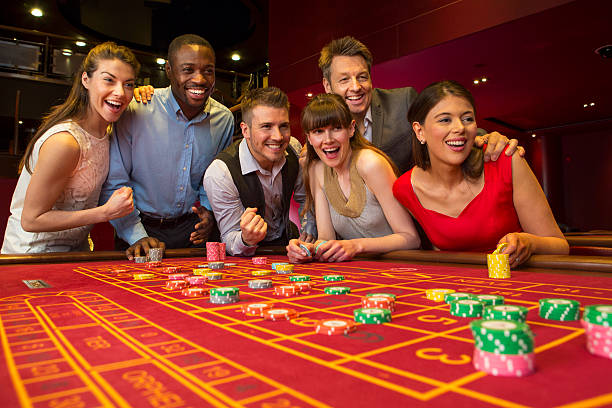
The social environment in which players engage with casino games can significantly influence their choices. Many individuals are drawn to games that allow for interaction with others, such as live dealer games or poker. The communal experience of gambling can create a sense of camaraderie, encouraging players to select games based on social dynamics rather than personal preference alone.
Furthermore, peer influence can lead to changes in game choice. Players are likely to adopt the preferences exhibited by friends or acquaintances, often choosing games that are popular within their social circles. This social aspect highlights the importance of group dynamics in shaping gambling behavior, demonstrating how communal settings can transcend individual preferences.
The Impact of Marketing and Game Design
Casino marketing strategies and game design have a profound effect on player choices. Operators meticulously design games with immersive visuals and sound effects to capture attention and create alluring experiences. Promotions and bonuses can also entice players towards specific games, often swaying their choices through perceived value or enhanced winning potential.
Moreover, the placement of games within a casino can influence player behavior. Slots placed in high-traffic areas or near popular attractions often see increased player engagement, as the environment encourages spontaneous game selections. This strategic alignment underscores the role of marketing psychology in shaping gambling habits and driving player behavior in casinos.
Fostering Responsible Gambling Awareness
With the understanding of the psychological factors influencing casino game choices, it is imperative to promote responsible gambling practices. Players must be aware of their motivations and the emotional and cognitive biases that can skew their judgment. Educational resources and programs that focus on responsible gambling can help individuals recognize when their behavior may become problematic, empowering them to make informed decisions.
Building a community around responsible gambling encourages individuals to share their experiences and tips for maintaining a healthy relationship with gaming. This collective approach can contribute to a more sustainable gambling environment, where players not only seek enjoyment but also prioritize their well-being and the consequences of their choices.